

What if one could only choose one venture capital fund?
17 September 2026
Why investing in venture capital can be attractive
Many have lost money on venture investments. The general view among many investors seems to be that there are “too few and far between”. That's a shame.
We find ourselves in the 4th Industrial Revolution with an enormous focus on, amongst other things, AI. Most of the world's most valuable companies – Apple, Nvidia, Microsoft, Amazon, Alphabet, Meta and Tesla – were all financed by venture capital. Their scalable business models required enormous investments to realise their potential.
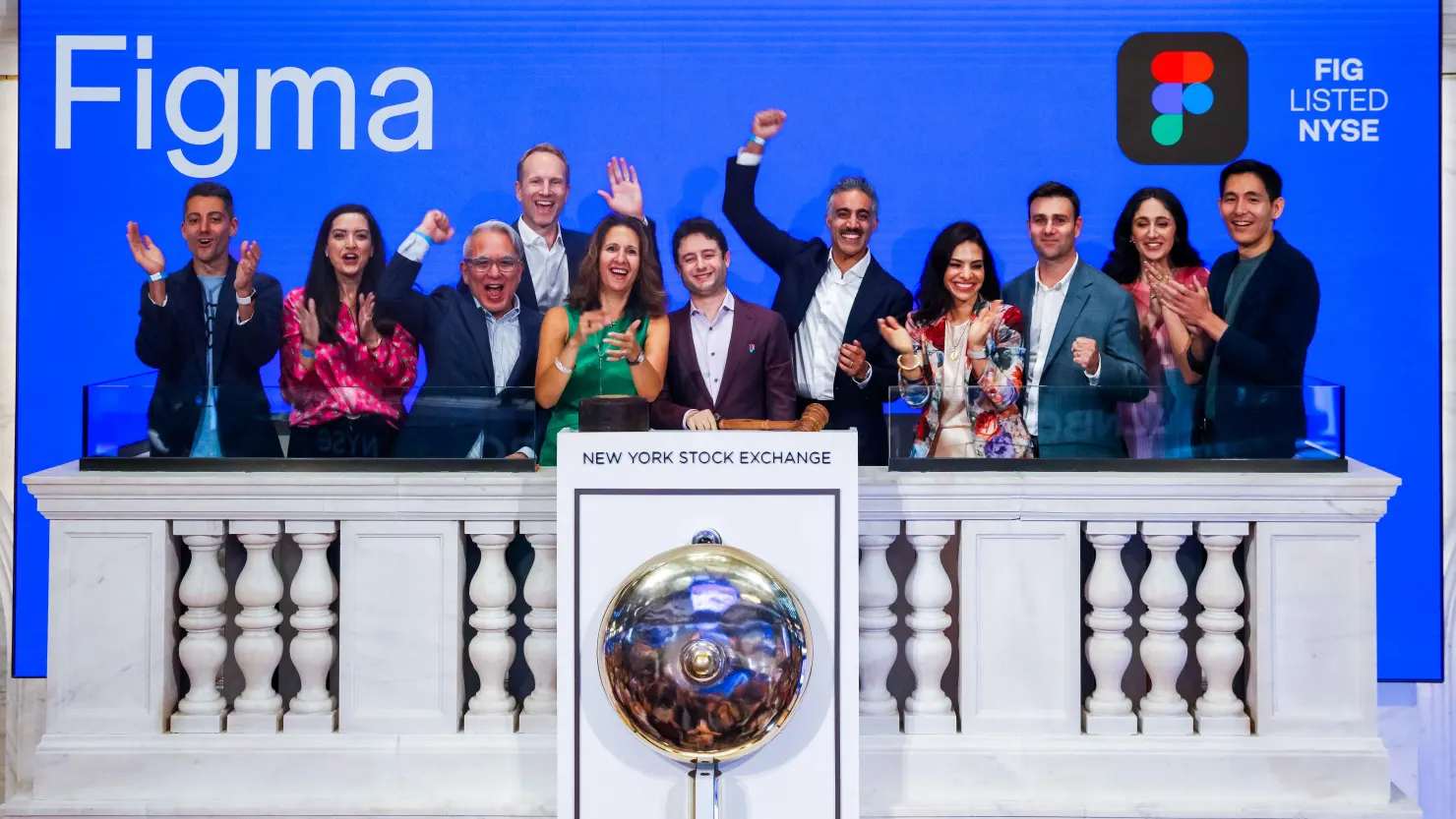
At the same time, companies are remaining in private ownership for longer. The median age at IPO has risen from 6 years old in 1980 til 13 today. A steadily increasing share of value creation is therefore taking place even before the share can be bought on a stock exchange.
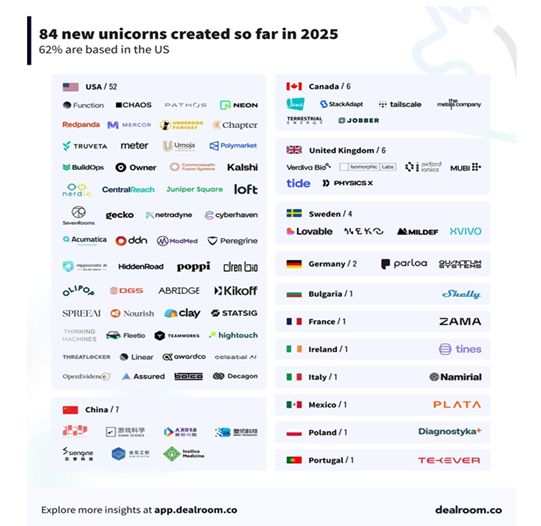
For example, in In 2019, 200 were created in the USA private companies valued at over USD 1bn (”unicorns”) compared to solely 25th May 2012. This is primarily attributed to the 2012 JOBS Act, where the threshold for when a listing became mandatory increased from 500 to 2,000 investors.
The question is how to invest in companies of that calibre before they go public.
The answer is simple: Do as the Yale Endowment. Since the 1970s, led by David Swensen, they have increased their investments in venture and private equity so that it is now their largest investment area.
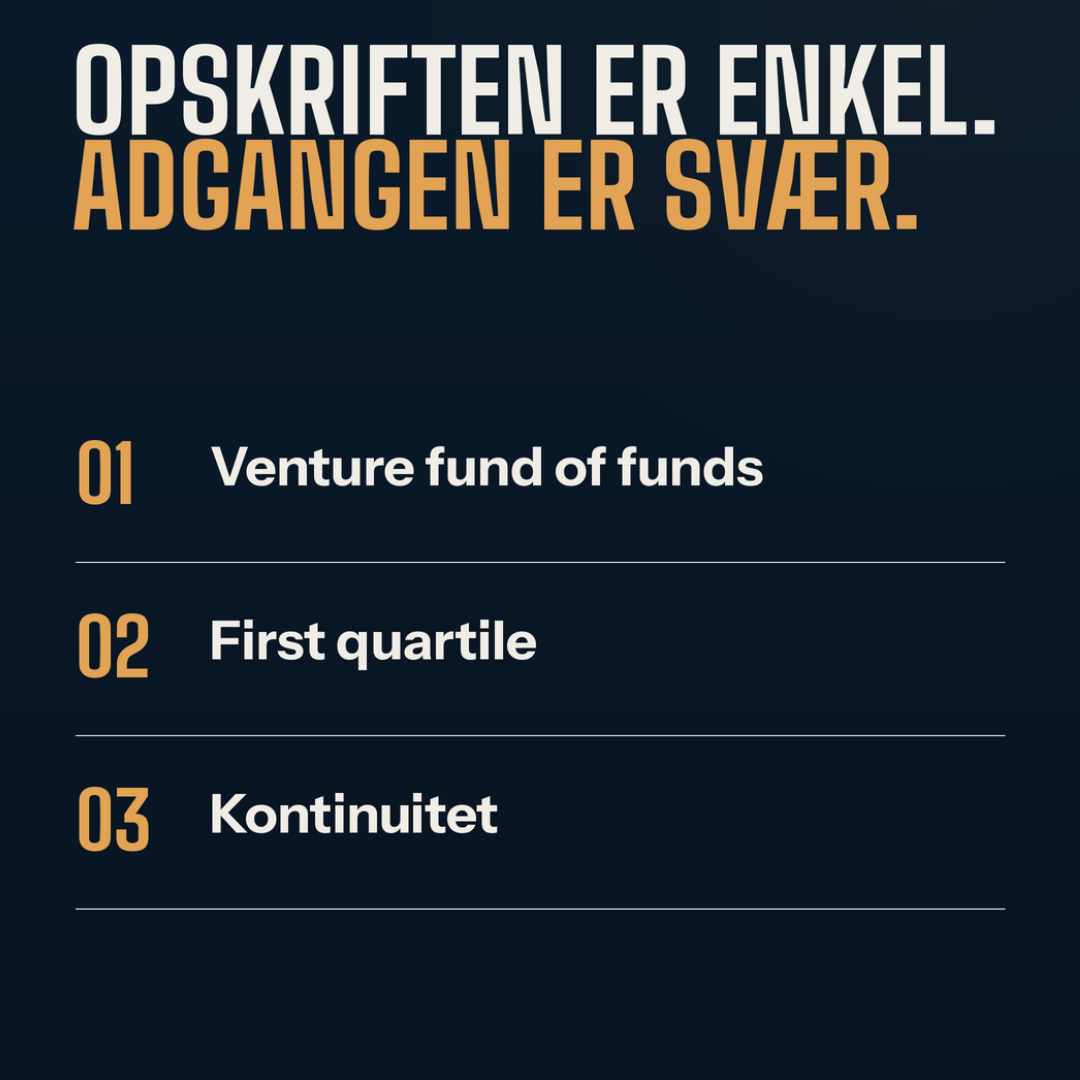
In venture capital, the formula is simple, but difficult to realise.
The simple version: Our data indicates that attractive risk-adjusted returns can be achieved by investing 1) in venture fund of funds, 2) with access to underlying “first quartile” venture funds, and 3) continuously over a number of years.
The difficult part is access to the right funds. Our data over the last 12 years indicates that we have it.
In the next post, we will expand on the three points – and why access is what determines the return.


DKK 750,000 is the legal minimum amount to invest in this type of fund. This is a requirement to ensure that investors are qualified and understand the level of risk.
No, you are free to choose to invest a higher amount if you wish. However, the total size of the fund is a natural limit and allocation is on a first-come, first-served basis.
Payments are made on an ongoing basis as the fund makes its investments - typically spread over 3-4 years. For example, a total investment of DKK 1 million can be distributed in instalments of DKK 250,000-350,000 annually, depending on the structure of the fund.
Payouts typically begin 1-2 years after the investment period has ended, i.e. in year 4 or 5. The timing and amount depend on the fund's performance, market development and other conditions. There is no guarantee of return and the investment should be viewed as long-term.
Some funds have a lifespan of 6-8 years, while others can last up to 14 years.
 English
  Danish